


What sits behind great coaching? At neurobox, it’s not only the expertise of the coach, but the professional support around them. We explore how specialist coaching supervision helps our coaches reflect, develop and maintain high standards – and what that means for the people and organisations we support.
What is Coaching Supervision?
Supporting Our Coaches to Deliver their Best Work
Coaching supervision is a confidential, reflective space where coaches can step back from their day-to-day practice, explore what’s happening in their coaching relationships, and continue to develop their skills, judgement and professional practice.
Good coaching doesn’t happen in isolation. Behind every effective coaching relationship should be space for reflection, learning and professional development. At neurobox, coaching supervision is an important part of that process, giving our coaches dedicated time to step back from their practice, explore challenges, challenge their own thinking and continue developing how they support neurodivergent people at work. And because our supervision is led by professionals who understand both coaching and neurodivergence, that reflective practice is grounded in the realities of the work our coaches do.
Why is Coaching Supervision Important for neurobox Coaches?
For our neurobox coaches, supervision is an important part of how we maintain the quality, safety and effectiveness of the coaching we provide to our clients.
As an organisational member of the European Mentoring and Coaching Council (EMCC Global), our coaches commit to the Global Code of Ethics for Coaches, Mentors and Supervisors. The Code provides a shared framework for principled, safe and sustainable professional practice, including a commitment to supervision and ongoing reflective practice.
It gives our coaches the opportunity to reflect on challenging situations, explore ethical questions and boundaries, consider what is and isn’t working, learn from successful coaching experiences and think about their own wellbeing. It also provides a space to challenge assumptions, broaden perspectives and consider different approaches when working with clients.
It’s so important that all leading professional coaching organisations require coaches to engage in supervision regularly.
That said, one of the challenges for coaches in our area of practice is finding a supervisor with experience and understanding of not only our type of coaching, but also of the unique challenges – and advantages – that come with working with neurodifferent clients – and even more so if you’re a neurodifferent coach too!
That’s why we’ve invested in developing specialist coaching supervision within neurobox.
Meet Our Coaching Supervisors
Our supervisors bring their experience of coaching neurodivergent people, alongside their supervision training and professional practice. This means our coaches have a safe, confidential space to reflect not only on how they are coaching, but on the particular dynamics and considerations that can arise when coaching neurodivergent clients.
Emma Sayers – Head of Coaching
Emma is Head of Coaching Services at neurobox, where she leads the development and delivery of coaching programs. A qualified coach, supervisor, and dyslexia specialist, Emma brings extensive experience in assistive technology training, workplace strategy coaching, and needs assessments.
Alongside her leadership role, Emma remains actively engaged in coaching and supervision, keeping her expertise grounded in current practice. Her expertise combines practical knowledge with strategic insight, making her a trusted voice in coaching and neurodiversity support.
Mark Woodward – Head of Adjustments and Innovation
Mark brings more than 10 years of experience supporting organisations, managers and employees across neurodiversity and disability. His work spans organisational strategy and policy development, as well as providing direct support to individuals through his roles as an Assessor, Coach and Coach Supervisor.
Alongside his specialist experience in neurodiversity and disability, Mark has held senior commercial management and operational positions. This experience gives him a strong understanding of the wider workplace landscape and the different perspectives involved in creating effective support. He is able to consider the needs of the individual alongside those of managers and the organisation, helping to develop practical approaches that work at every level.
Q&A with Head of Coaching, Emma Sayers:
1. What made you want to become a coaching supervisor?
2. Why is it particularly important when coaching neurodivergent clients?
3. How does coaching supervision benefit the coach themselves?
4. What does coaching supervision mean for neurobox clients?
What made you want to become a coaching supervisor?
I wanted to become a coaching supervisor because I have seen how powerful reflective practice ca be for both coaches and clients. Coaching can be complex and, at times, isolating; even experienced coaches benefit from a trusted space to pause, think and look at their work from different perspectives. Supervision allows me to support coaches to build confidence, deepen their self-awareness and continue developing their practice, while keeping the quality and wellbeing of the client at the centre.
Why is it particularly important when coaching neurodivergent clients?
When coaching neurodivergent clients, it is especially important to reflect on how communication, processing, executive functioning, sensory needs and workplace context may influence the coaching relationship. Supervision helps coaches remain curious rather than make assumptions, adapt their approach without losing sight of the client’s agenda and to recognise when another kind of support may be more appropriate. It also provides space to consider power, difference and lived experience, helping the coach work in a way that is respectful, strengths-based and genuinely neuroaffirming.
How does coaching supervision benefit the coach themselves?
Supervision gives coaches time to step back from delivery and reflect honestly on their practice. They can bring dilemmas, celebrate what is working, notice patterns, test out new perspectives and receive both support and constructive challenge. Over time, this can strengthen confidence, ethical judgement, professional identity and resilience. It also helps coaches recognise the emotional impact of their work and take responsibility for their own wellbeing, reducing the risk of becoming overwhelmed or carrying difficult situations alone. The value of this reflective space is captured in feedback from one of our coaches:
“I found our time together very insightful and reaffirming and took a lot away from it. Thank you.”
What does coaching supervision mean for neurobox clients?
For neurobox clients, supervision provides added confidence that their coach is working thoughtfully, ethically and with appropriate professional support. It means our coaches regularly reflect on the quality of their work, challenge their own assumptions and consider how best to respond to each client’s individual goals, strengths and circumstances. Although supervision is confidential and does not involve sharing unnecessary client details, the learning it creates helps to maintain consistent standards and continually improve the coaching experience.
Knowing When To Coach – And When Not To
Good coaching isn’t simply about knowing what to say or which technique to use. It also requires professional judgement: knowing when to explore, when to challenge, when to adapt and when coaching may not be the right way forward.
This is particularly important when working in a workplace context, where coaching can sometimes sit alongside training, mentoring, advice or other forms of support. We’ve explored this distinction in more detail in our article on the fine line between coaching and training, including why the distinction between exploration and training matters.
Supervision gives our coaches a space to reflect on these boundaries and consider whether they are maintaining the right role for the client and the situation.
Supervision and Our Coaching Principles
Supervision is also an important part of how we put our coaching principles into practice. At neurobox, we believe effective coaching should be tailored to the individual, grounded in their goals and strengths and responsive to the context in which they work. Our coaching principles set out what this looks like in practice and supervision gives our coaches the space to reflect on whether their coaching is living up to those principles.
About the author
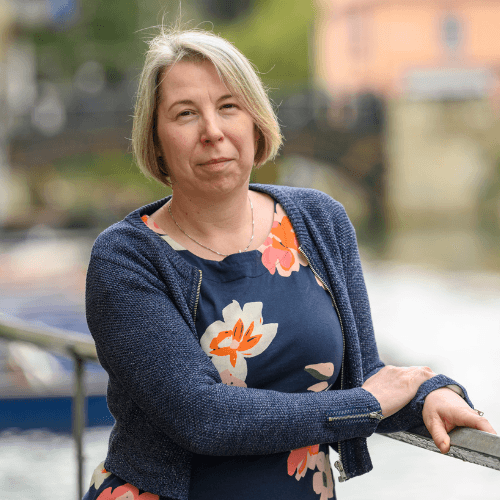
Emma Sayers is an accomplished learning and development leader with over two decades of experience in education, coaching, and training. Her career spans senior roles in training operations, project management, and consultancy, where she has consistently delivered impactful solutions for diverse sectors, including higher education, social care, and corporate environments.
Emma’s expertise includes coaching and mentoring, quality assurance, and the design and delivery of training aligned with business needs. She has led large-scale projects, managed cross-functional teams, and developed innovative resources to support professional growth. Passionate about accessibility and inclusion, Emma has specialised in supporting learners with dyslexia and other specific learning difficulties. Drawing on her professional and lived experience, Emma has a particular interest in the intersectionality of neurodivergence and long-term health conditions.
Academically, Emma has an MBA and holds qualifications in coaching, supervision, and dyslexia. She is currently working towards a diploma in relational psychotherapeutic counselling. Her work reflects a commitment to empowering individuals and organisations through transformative learning experiences.
Related readings

Masking at Work: The Hidden Impact of Burnout Neurodivergent Employees Face

