


Over the last year Matt Head of The Dyslexia Life Hacks Podcast has engaged with an incredible array of guests, shared inspiring stories and provided hacks and hints to many of us… but who is the man behind the voice?
Find out Matt’s dyslexic journey and what makes him #UniquelyYou!

The Early Years
I was the oldest of three boys growing up in a town in Hampshire and attended a state primary school. Unlike many other people of my age with dyslexia, I was statemented at 6 years old, but that was not a panacea.
I don’t really remember much about my time at primary school but I have been informed by my mum, who has a great memory for these things, about that time in my life. My teacher in my first year of primary school wasn’t hugely understanding of me and used to single me out in class and also make me sit in the corner of the room at points (this may be one of the reasons I don’t remember it!). This all changed in my second year of primary when I had a change of teacher. She put a lot of effort into reading about dyslexia and neurodiversity (I presume from a personal interest) and recognised the signs within me, which led to a formal diagnosis of dyslexia and in turn enabled me to get support throughout my schooling.
I do have vague memories of sitting with various teaching assistants (the unsung heroes of my education) and they would assist me in class. I would also be taking out one-on-one sessions. I remember doing a few evening sessions which involved a lot of coordination exercises and working together with other children, but I seem to remember not doing them for too long.
By the time my age was in double figures, I was partaking in clinical trials at Reading Hospital for dyslexia and my day-to-day school life was never much fun. I refused to use coloured filters in class because I didn’t want the teasing or inquisition that would go along with taking something different out of my schoolbag – I already had enough of that with being tall and overweight! As a young person, I just wanted to fit in.
Changing schools for the last year of primary school also created an awkward situation with my handwriting as the new school wanted it done differently, which did not do my handwriting much good for the rest of my life!
Needless to say, I don’t carry many cherished memories of my time at primary school outside of my Nintendo and who won the World Super Bikes championship each year!
Secondary school, on the other hand, was a slightly different matter. Being that much older I do remember it. I was still obsessed with fitting in but the move to slightly more specialised subjects rather than general education suited me because I could always take solace in the fact I had science three times a week, and also IT.
As with primary school, I was taken out for one-to-one help but there was no teaching assistant to help me in the classroom and I would still avoid the sponsored reading drives as often as I could.
I was always strong at science, reasonably good at maths, terrible at English, and I struggled with modern languages. I was brilliant at history but frustratingly couldn’t write any of the essays. This combination of strengths caused me an issue when coming to picking options for GCSEs: as part of the dyslexia assistance I could drop an option to have extra time to focus on my other GCSEs but this would have meant dropping IT – my strongest subject. There was no flexibility in dropping anything else, even the subjects I was not going to get great grades in, so I elected to not pursue this route. I was also told that if I wanted any more than the standard extra time it wouldn’t get approved, essentially because I was just good enough.
I think in hindsight it was the right decision because I got an A in the subject I would have had to drop, and as I took a vocation and then a profession that is more science and maths-based than language-based it was the right way of going and, in fact, it was that A that saw me gain admission to my college.
The transition to Engineering
I zigged and zagged my way into engineering. By the time I finished college at 18 I had thrown so much of myself at trying to get good grades throughout my education I had burnt myself out, coupled with a misunderstanding about what an engineering degree was about and where it could get me. I decided to leave college and go get a job where I pursued a career as an HGV mech until my mid-20s.
Come my mid-20s I realised it was not what I wanted to do for the rest of my life – a very very long story short, I applied for university and moved the Aberdeen to start a degree in mechanical and electrical engineering where after 4 years of study not only had I graduated with a degree I had been invited onto the fast track masters degree and graduated with a masters degree in that subject.
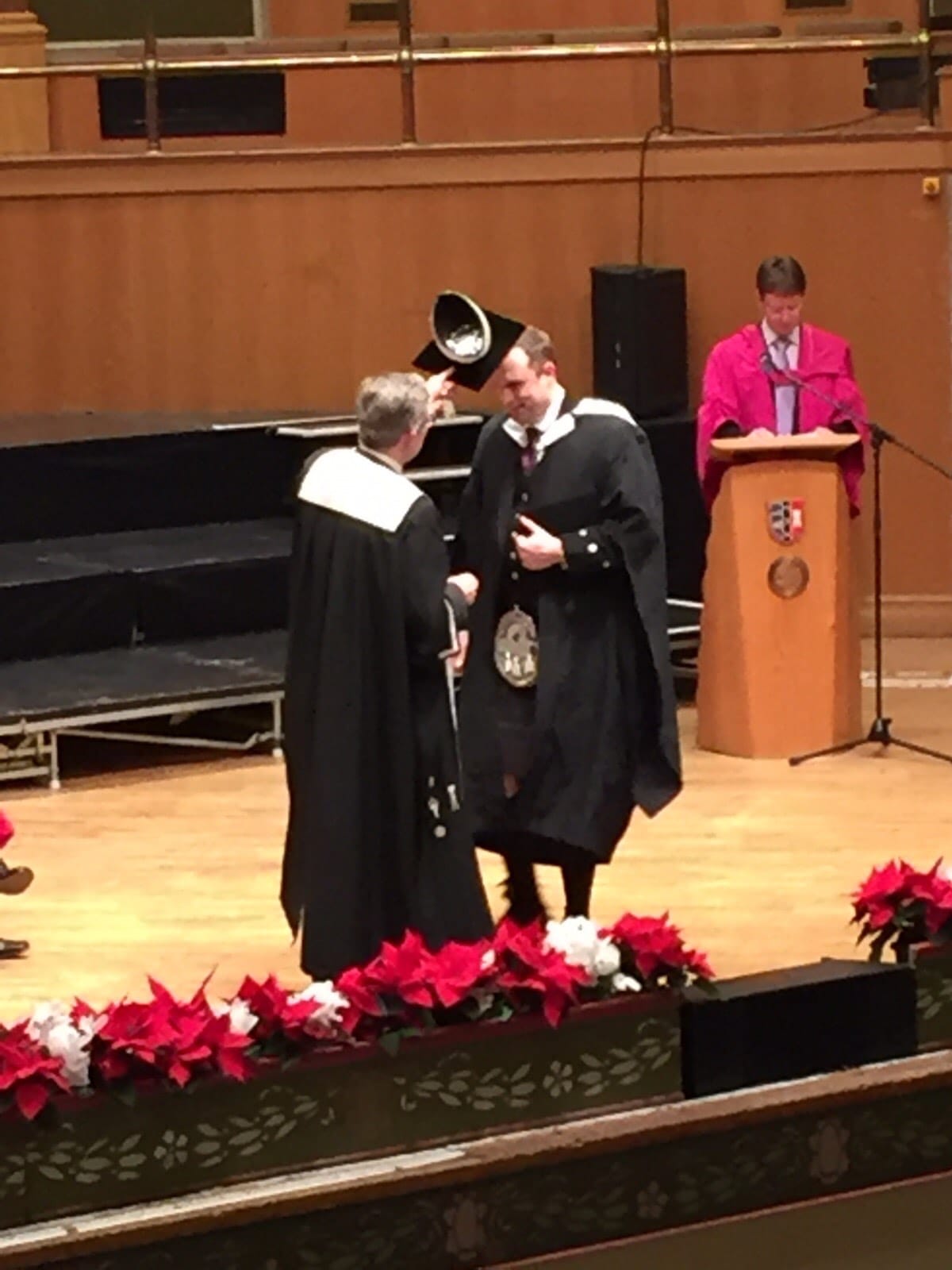
My experience of uni and evolution as a dyslexic person and disparaging/getting rid of limiting belief is something that could be for a whole nother blog post, but let’s just say a lot of things changed for me during my time at university.
My professional engineering career started at Siemens rail systems graduate scheme which I did for 2 years but I realised my heart really lay in design so I applied for a job at Triumph Motorcycles as I could combine my passion for motorcycles with my job. Since then I have worked for Triumph (until being made red), worked for a small motorsports company recreating a 1960s Le Mans car, an electric vehicle startup, and now work for Jaguar Land Rover, a major automotive manufacturer, in their creative department, working on future models of cars.
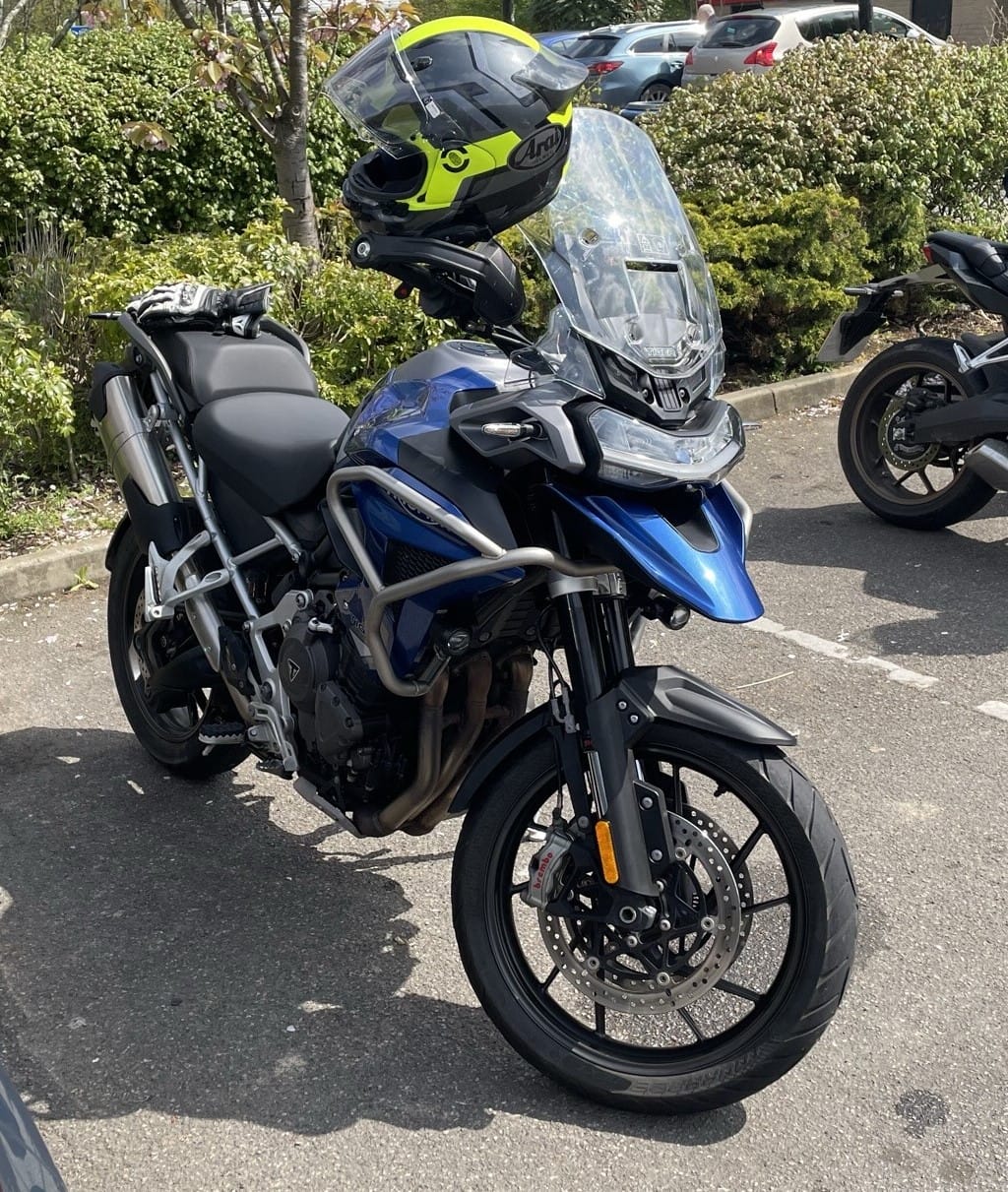
I have thrived a lot more as an engineer than I did as a mechanic, in no small part due to the strength of dyslexic thinking.
Setting up Dyslexia Life Hacks
Dyslexia Life Hacks was launched in late 2020 but the idea was formed years before that …
During my graduate scheme at Siemens, I sat down to do a project plan with a senior project manager. We are both dyslexic and we were stuck on a word we couldn’t spell; without thinking I just asked the personal assistant on my phone: “How do I spell [word]” and, of course, being a diligent personal assistant, it said the word and then spelt out each individual letter. This prompted a response from the project manager along the lines of: “Wow! I didn’t know it could do that!”. The next day he came into work and said that he had shown the trick with the phone to his daughter, who has various learning differences – she loved it and was using it all evening!
That is when the seed for the website was planted.
From that point on I tried to remember or keep a list on my phone of all these little hacks I picked up from various people that I found helped me as a dyslexic person.
It wasn’t until 4 years later whilst in a period of redundancy from Triumph Motorcycles that I took the step to make this list into a website. At the time I thought the existing tips online for dyslexics were buried in longer articles and I wanted to provide a quick one-stop shop for useful hacks which were easy to digest; therefore, all the tips on my website are really short. So, while at home recovering from a broken right wrist (I am also right-handed!) I thought I would teach myself how to design a website and researched how I wanted it to look.
That’s where Dyslexic Life Hacks was born and why the first hack on the website was “Hey Siri (Other Assistants Are Available)”.
The podcast
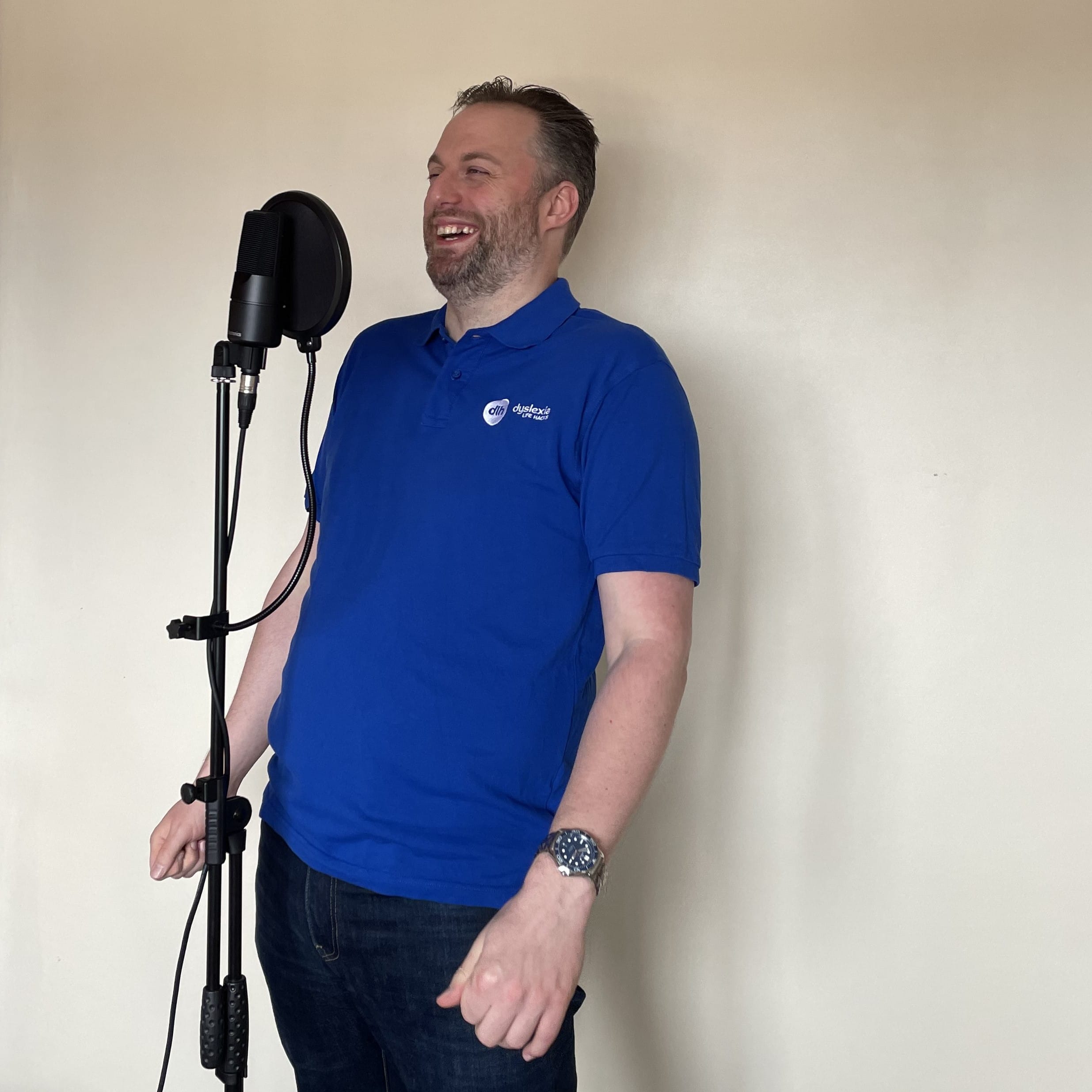
After launching what is now episode 1 but was originally a standalone episode, I was speaking with some friends I’ve known for a very long time and their comments were that they had learned more about me and my relationship with dyslexia in that 40-minute podcast than in the 20 plus years we had known each other. That made me think, “There is something here…”
By episode 5, Dyslexia Life Hacks: The Podcast became The Dyslexia Life Hacks Show as I had started interviewing other people with various neurodiversity to find out more about their experiences.
As an avid podcast listener, I really enjoy long-form podcasts where I can sink into a longer conversation. I find you learn a lot about the person and all the little stories that come around rather than just the headlines, particularly how when you are listening to high achievers and you realise how normal they are and how they may have had other things happen outside of the success you see in short clips on social media.
One of the things I always struggled with as a younger person and a young adult with dyslexia was that, at the time, people like Richard Branston and Duncan Bannatyne would be held up as dyslexic success stories but I was already older than they were when they had made their first million and doing a manual job so I just thought,
“what do all the other dyslexics do?”
This was one of the driving forces behind The Dyslexia Life Hacks Show: I want to get the stories about how those everyday dyslexics and other neurodivergent people live their lives in various scenarios. As a young person I think I would have taken a lot from that kind of inspiration rather than feeling like the various famous people were too far away from where I was then.
I will never cease to be surprised by the array of people on The Dyslexia Life Hacks Show and their various backgrounds. The Dyslexia Life Hacks Show is a place to listen to and share with a wide range of individuals who have their own life experiences and you are bound to find someone you connect with.
Tips and Tricks
Visit www.dyslexialifehacks.com
Get in touch with Matt
Connect with Matt on LinkedIn.
Image below: One of Matt’s other passions is motorbikes!

About the author

Matthew, a lifelong dyslexic, overcame educational challenges to achieve success. He left college with a BTEC national diploma in engineering, working as an HGV technician for Volvo and Mercedes-Benz trucks. Seeking further education, he pursued a fast track MEng at Robert Gordon University, defying his younger self’s doubts about studying at a university due to his spelling limitations. During university, Matthew’s team reached the finals of the MATE ROV competition, earning three awards. After graduation, he completed a Siemens graduate scheme and joined Triumph Motorcycles as a design engineer, fueling his passion for motorcycles.
Unfortunately, he was made redundant from his dream job in 2020. During his time off, Matthew founded Dyslexia Life Hacks, a website (https://dyslexialifehacks.com) offering practical tips and tricks to support dyslexics at home and work. The idea emerged from a moment with a dyslexic mentor when they both struggled with spelling and were amazed when Matthew asked Siri for help. Additionally, Matthew hosts The Dyslexia Life Hacks Show, a podcast featuring conversations with dyslexia-related individuals discussing their experiences and support systems. As a senior vehicle design engineer, Matthew designed race cars and high-performance vehicles, including reverse engineering a 1960s Le Mans car using images and scan data. He then contributed to the design of the latest electric vehicles for a technology startup.
Currently, he designs cutting-edge cars for Jaguar Land Rover, utilizing his expertise to advance automotive technology.
Related readings

Masking at Work: The Hidden Impact of Burnout Neurodivergent Employees Face

