As part of our Neurodiversity Celebration Week we’re shining a spotlight on the diverse voices within our community. Hear from different voices as they share their proudest moments, exchange tips and tricks for the workplace and discuss their strengths and challenges!
Our next spotlight features two of our wonderful friends at CareScribe!
Hi I’m Tom Cartwright
Technology Director at CareScribe.
I am a man with ADHD and dyslexia

BRISTOL, UK: Tom Cartwright (Chief Technology Officer) from Carescribe photographed in their office in Bristol on 23 November 2022 (Picture by Nick Morrish/Morrish & Co)
When were you diagnosed?
I was diagnosed with dyslexia whilst I was at university.
It wasn’t until my adult life, balancing life, work and parenting, that I was first diagnosed with ADHD.
In true ADHD style, I didn’t keep up with the contact points I was supposed to and fell off the system, meaning I was re-diagnosed after a 4-year wait for another assessment.
What are your strengths and challenges?
I’m creative and technically minded, but I often lose track of what I should be focusing on, or on the other end of the scale, I fixate and focus for hours, especially when it comes to computers and technology, reading and writing code.
I have come to know my own needs and limitations.
Concentration inherently remains a challenge, as does reading and processing large quantities of text – I have tools and resources to assist with these challenges, but they are still that – challenges.
What are your top tips or tricks for the workplace?
Utilise the technology available to you, do research for support and accommodations and speak with your peers, don’t be afraid to keep trying until you find something that does what you need it to.
Also, embrace your personal strengths and interests, and find what it is that gives you greater fulfilment.
“My reminder for managers is that when you allow individuals to capitalise on their strengths, interests and passions, they will excel in their roles.”
Hi, I’m Lucy Judge
I’m the Marketing & Events Manager at CareScribe and a dyslexic woman.
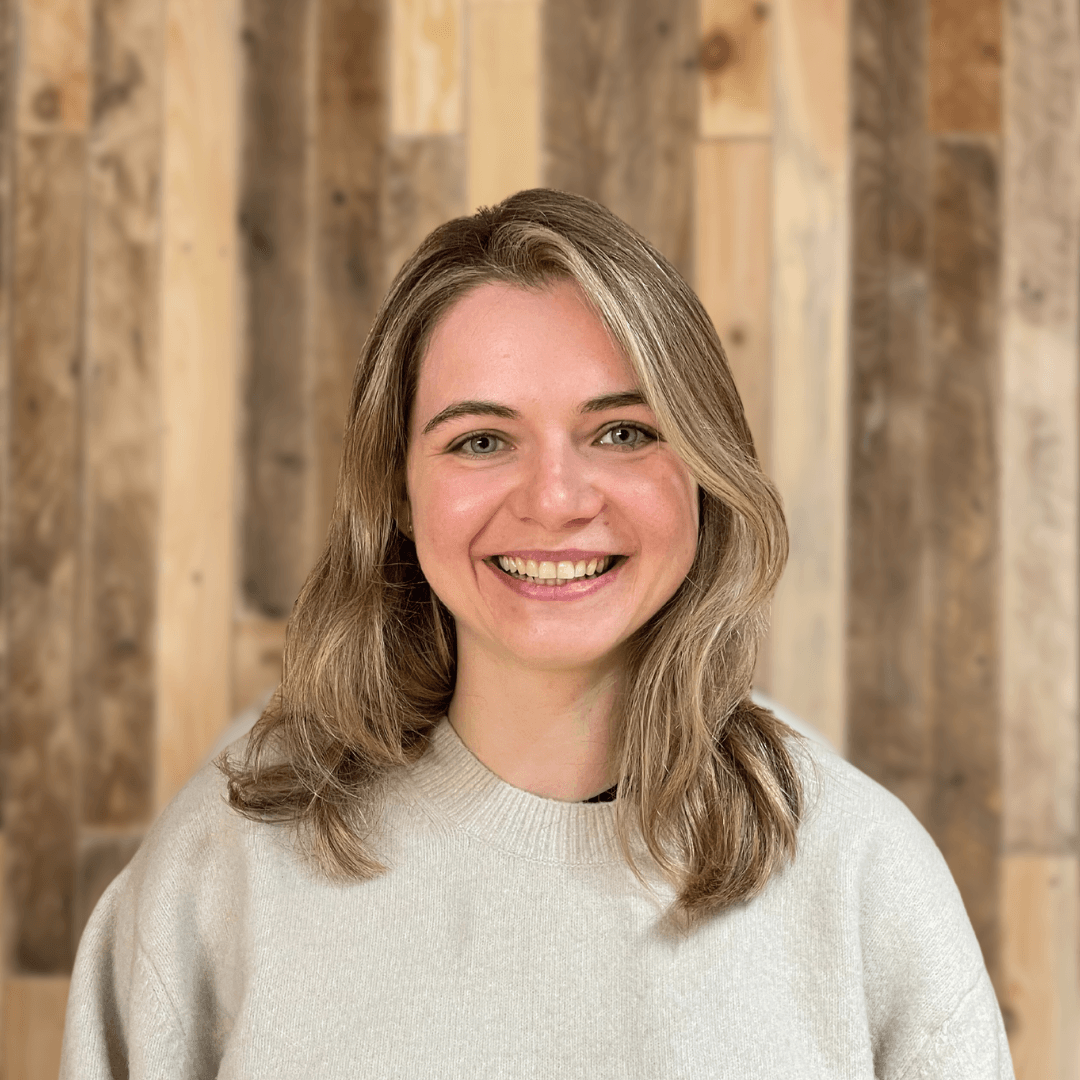
Lucy Judge – CareScribe
Do you have a ‘lightbulb moment’ when everything made sense?
To be completely honest, not really!
I started having regular dyslexia coaching earlier this year from going through the Access to Work scheme, which has been incredibly helpful.
Now I find myself having lots of mini lightbulb moments.
The coaching has helped me develop a better understanding of how my brain works, and I am now more confident in my ability to manage it effectively. Learning how to work with my brain instead of battling against it has been crucial for connecting my mental health to the way my brain operates, I’m finally joining the dots.
When were you diagnosed?
I had a diagnosis when I started secondary school.
My parents say they knew from when I was little, that my spellings were always different and quite unusual sometimes!
As I got a little older, it became apparent that my skills were unevenly distributed, in some areas I was particularly strong and others I was below average. This led to what is known as the classic “spikey profile,” where my abilities in different areas were not consistent with each other. I was very good at some things and well below average at others.
What are your strengths and challenges?
I often find spelling and writing long pieces from scratch quite frustrating.
Similarly, I’ve always found my speed of writing a challenge, this feeds back into the impact of my dyslexia on my mental health, I’ve always felt a certain shame around certain tasks taking me longer.
Instead, I’m learning to focus on my strengths. I’m a great communicator, and I have an innate ability to bring people together, foster connections and draw on empathy. I also have the ability to ‘see the bigger picture’ and spot opportunities and different ways of working, which is great working in marketing.
What are your top tricks for the workplace?
Always take the time to understand how your brain works and what you need to succeed.
Find yourself a job or career with a supportive environment, one where you can be yourself – this is often a make-or-break consideration for neurodivergent people.
Your workplace environment is so important – I’ve learnt that the hard way.
Make sure you’re somewhere that takes the time to appreciate you for the person you are.
What’s your proudest moment?
The perception of feeling ‘stupid’ is something I’ve always carried with me since school.
I was considerably slower than my peers and my general system was to just ‘work harder’ – I’ve since learnt that this system was not sustainable for adult life.
“I’ve learnt to be kinder to myself and to allow myself the recovery time that I need. I’m really proud of that.”
It’s so easy with dyslexia to internalise those feelings of ‘stupidity’ when certain tasks take you longer, even though it’s not true.
Find out more about CareScribe
CareScribe is on a mission to make the world more accessible. They build assistive technology which levels the playing field for people with disabilities and enables users to be more independent in their studies and at work.
Caption.Ed
AI-powered captioning and note-taking software.
TalkType
TalkType is AI-powered dictation software for Windows, Mac, and mobile devices.
The Ultimate Guide to Neurodiversity
If you need any extra guidance on how to make your workplace more neurodiverse-friendly, check out the CareScribe’s Ultimate Guide to Neurodiversity in the Workplace.