


Dyscalculia in the Workplace
Employees with Dyscalculia have the talent and drive to excel—what’s often needed is access to the right tools, informed support, and meaningful accommodations. When organisations provide this support, they unlock employees who can truly thrive across teams and projects.
What is Dyscalculia?
Dyscalculia is a neurodifference characterised by a specific and lasting difficulty when dealing with mathematical tasks.
It is important to note that this neurodifference can sometimes be confused with SpLD in Math (Specific Learning Difficulties in Math), however the latter is often understood as having a much more severe impact on someones experience with numbers/quantities (British Dyslexia Association; 2025)
Those with Dyscalculia will experience severe difficulties recognising, understanding and working with numbers and quantities. This can have a significant impact on daily tasks such as, making regular mistakes with cash, remembering passwords, and missing meetings.
How can Dyscalculia affect employees in the workplace?
Employees with Dyscalculia may experience a variety of challenges in the workplace. The experiences and impact can vary widely between individuals, however number-based tasks (data entry or budgeting), deadlines and schedules, and other factors can cause anxiety, burnout, and self-esteem challenges. Alternatively, we often see these individuals tackling work problems from unique angles, as well as excelling in communication methods using visuals.
Common Dyscalculia Traits
People with Dyscalculia bring a wide range of strengths, and their experiences with numbers can vary just as widely. Some may notice one or more of the characteristics listed below, while others may not encounter them at all.

Increased Levels of Empathy
More attuned to others' emotions and challenges

Difficulties with Timekeeping
Increased likelihood of being early or late to meetings

Creativity and Unique Ideas
Tackles work from unique angles, thinking outside of the box

Math Anxiety
Heightened levels of anxiety when dealing with maths

Strong verbal communication skills
Increased ability with verbal communication
Dyscalculia and the Overlapping Neurodifferences
It is essential to remember that Dyscalculia, like many other neurodifferences, regularly co-occurs with other neurodiversities such as Dyslexia, ADHD, and Autism. This can lead to an increased variety of barriers an employee may face in the workplace, resulting in the need for a range of adjustments to be implemented in order to help them reach their full potential.
Employers should be aware that these co-occurrences are common, meaning a one-size-fits-all approach to an employees adjustments is unlikely to have a truly effective outcome.

Supporting Dyscalculia in the workplace
Under the Equality Act 2010, Dyscalculia is recognised as a disability. This means employers have a legal responsibility to make reasonable adjustments, ensuring that individuals with Dyscalculia are not disadvantaged at work.
Importantly, a formal diagnosis is not required for adjustments to be made.
Neurodiversity is about recognising and respecting different ways of thinking, learning, and working.
 Altering the Physical Work Environment
Adjusting Policies and Procedures
Providing Additional Support or Aids

Organising Dyscalculia Inclusion or Dyscalculia Awareness Training in the Workplace
We offer dedicated workplace support for employees with Dyscalculia through our tailored services at neurobox.
-
Workplace Strategy Coaching
Our bespoke one-to-one coaching service can be tailored to any neurodiversity required, whether it be Dyscalculia or another neurodifference. The perfect service for equipping neurodiverse employees with strategies to overcome challenges in the workplace – Learn More Here
-
Dyscalculia Awareness Training for Managers
We offer bespoke awareness sessions for Line Managers, equipping them with the knowledge and tools to better understand, support, and include neurodivergent individuals in the workplace – Learn More Here
-
Dyscalculia Awareness Training for Employees
At neurobox, our neurodiversity awareness training is designed to support staff in becoming more attuned to the needs of their neurodivergent colleagues—fostering greater understanding, empathy, and inclusion across the workplace. – Learn More Here
Reasonable Adjustments for Dyscalculia in the Workplace
Creating a Dyscalculia‑inclusive workplace starts with flexibility, clarity, and a commitment to reducing barriers around numbers, time, and information processing. Because every individual experiences Dyscalculia differently, a uniquely tailored approach is essential.
A Workplace Needs Assessment is an excellent first step. It helps identify specific challenges related to numerical tasks and outlines practical, achievable adjustments that support both the employee and the organisation in working more effectively together.
Some Examples of Reasonable Adjustments for Dyscalculia in the Workplace
| Area of Interest | Potential Adjustment(s) |
|---|---|
Work Environment |
|
Workplace Strategy Coaching |
|
Working Practices |
|
Training |
|
Assistive Technology |
|
Coping with Dyscalculia at Work
Why not check out some practical ways an individual with Dyscalculia can manage their workload and environment effectively:
-
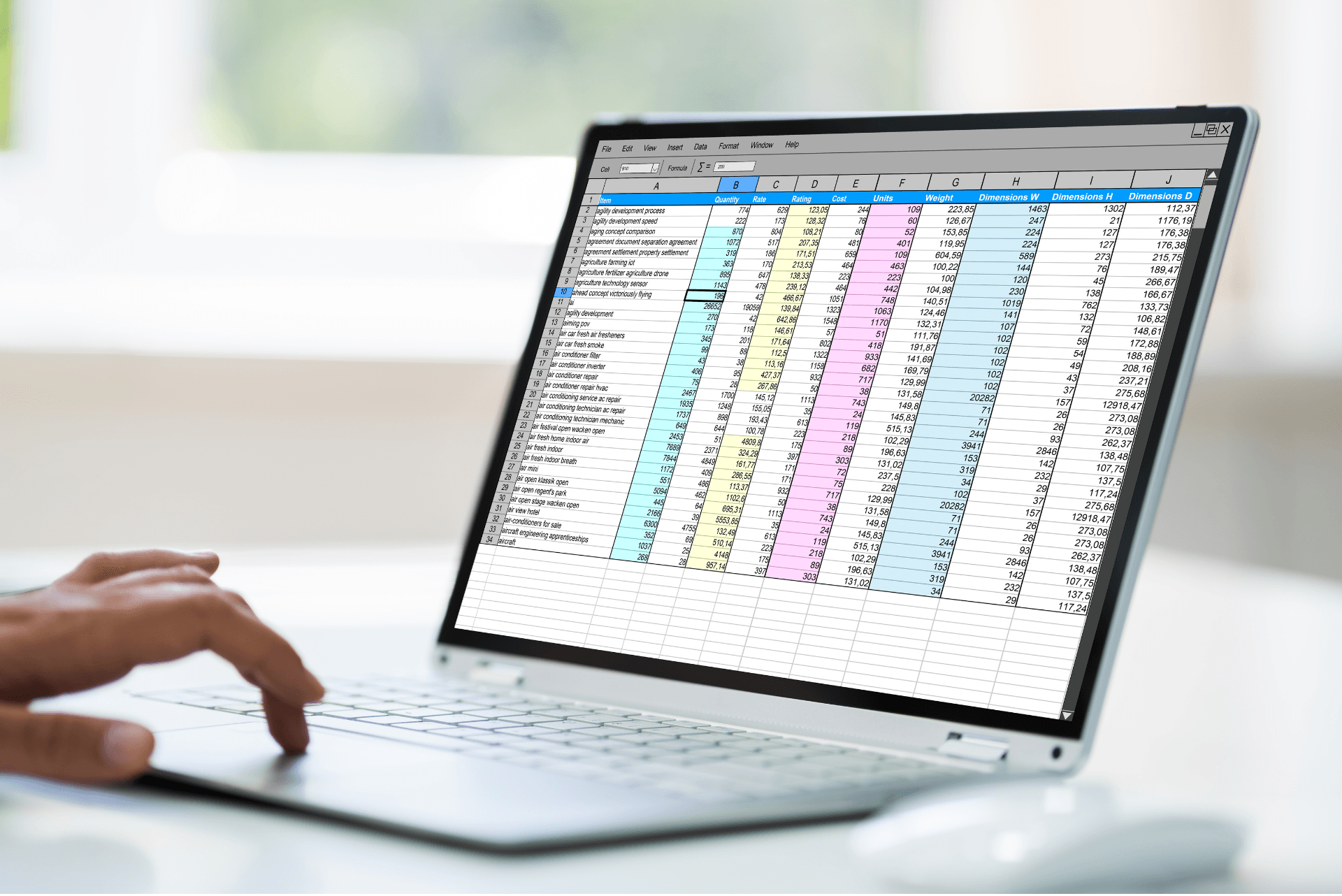
1. Automation
Use of Excel or Google Sheets to assist with automating calculations.
-

2. Chunking
The technique of breaking large numerical tasks, into smaller, more manageable chunks.
-

3. "Math Buddy" System
Use of the “Math Buddy” system, in which a colleague with Dyscalculia has a single point of contact for assistance with numerical tasks.
Our Latest Dyscalculia Resources
Explore our latest blogs, guides, and media on Dyscalculia in the workplace.
Looking for Support? Get in Touch!
Every organisation is unique, and so are it’s people – that’s why we can tailor our sessions to your organisation.
Speak to the Team
Our journey begins with a conversation – get in touch with Martin, Becky, Chris or Conal to find out more about how we can help and support you on your inclusion journey.
 01223 608491

Becky Stearn
Senior Client Consultant

Chris Pope
Client Consultant

Conal Durr
Client Consultant

Martin Kirkup
Head of Client Services
Tailored Strategies by Industry Experts
All our strategies are bespoke to you and your organisation, and delivered by our team of experts.
Drop us a message
"*" indicates required fields
Frequently Asked Questions about Dyscalculia in the Workplace
-
Is Dyscalculia a symptom of ADHD?
No, Dyscalculia is not a symptom of ADHD. These are two separate neurodifferences, however they are known to sometimes co-occur.
-
Are there different types of Dyscalculia?
Yes, it is believed that Dyscalculia can present differently in each person with a diagnosis.
The types often discussed are:
- Verbal
- Lexical
- Graphical
- Operational
- Ideognostic
- Practognostic
-
What is "Math Anxiety"?
Those with Dyscalculia can sometimes experience heightened anxiety when confronted with numerical tasks due to their challenges with numbers. This is often called “Math Anxiety”.

Disability Confident Scheme - Dyscalculia
The Disability Confident Employer Scheme (government scheme) provides organisations with the structure and process to implement inclusive recruitment practices, workplace adjustments, and manager training and create an inclusive culture for all.

What is the Disability Confident Scheme?
The scheme has 3 levels designed to support employers on their Disability Confident journey, these are: Disability Confident Committed (Level 1); Disability Confident Employer (Level 2) & Disability Confident Leader (Level 3).
All employers join the scheme at Disability Confident Committed (Level 1) and progress through the levels to achieve the one that’s right for their organisation. On completion of levels, you receive Disability Confident Certification.
As a Disability Confident Leader, we’re uniquely placed to guide organisations through the accreditation process from Levels 1 to 3. We can conduct a gap analysis, provide targeted recommendations, and support the implementation process.
What is Dyscalculia?
Happy Neurodiversity Week! This week is all about embracing and celebrating different ways of thinking, learning, and experiencing the world. As part of the celebration, we’re delighted to share this guest blog by Peter Cherry – Chair of the Adults with Dyscalculia Advisory Board for The Dyscalculia Network, shining...
Read more
Grieving through motherhood and neurodifference
A few months ago, I was browsing the blog website ‘Medium‘ and came across an article about the grieving process and neurodiversity. I’ve read a lot on neurodiversity and quite a bit on grief. Still, I’ve never considered the interplay between the two or how one could interact with...
Read more