


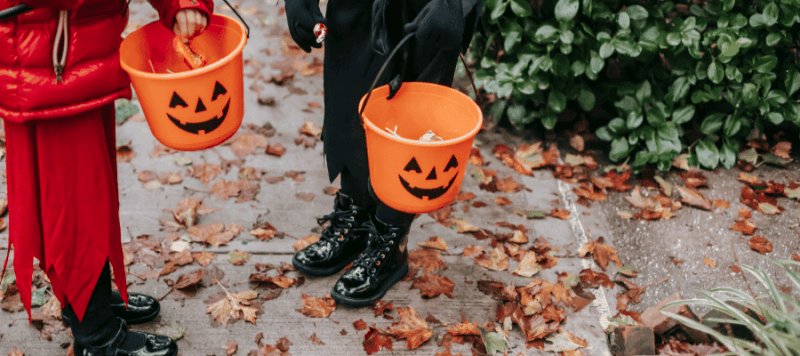
Halloween can be a spook-tacular time, but for children (and even adults) with neurodifferences or sensory sensitivities, it might feel more like a trick than a treat. With flashing lights, itchy costumes, and unexpected frights, it’s important to plan and create a good experience. Whether you’re trick-or-treating yourself or taking your neurodivergent child, here are some tips to make Halloween inclusive!
And remember, it’s ok not to go out, and to have a cosy night in!
Why Halloween can be challenging for children with neurodifferences:
Sensory Overload: Bright, flashing lights, loud noises, and spooky decorations can overwhelm the senses.
Unfamiliar Social Interactions: Going door-to-door and interacting with strangers may feel confusing or stressful, especially with unpredictable responses. For some, navigating the “trick-or-treat” routine can bring on anxiety.
Uncomfortable Costumes: Many Halloween costumes are made from scratchy fabrics, with masks or accessories that can be irritating. For neurodivergent individuals who have heightened tactile sensitivities, even a costume might feel unbearable.
Breaking Routine: Halloween is a break from the usual daily routine, which can be unsettling. New activities, unfamiliar environments, and surprises around every corner may lead to discomfort or overwhelm.
Unpredictable Frights: Even for those who enjoy the spooky season, unexpected scares or sudden frights might trigger anxiety. Haunted houses or people in costumes jumping out from the shadows aren’t fun for everyone!
Five tips if you’re out trick or treating
1. Comfort is key for costumes! Look for costumes made of soft, non-itchy fabrics and avoid tight or restrictive outfits. Let your child try on their costume beforehand to ensure it feels right for them. It’s also ok for them to go as they are!
2. Practice. If the idea of knocking on doors is overwhelming, practice beforehand. Role-play with family or friends to ease anxiety, and consider visiting homes where neighbours understand and can offer a friendly (and not too spooky) experience.
3. Plan the day – create a map. It can help to talk about the day in advance and share images of what to expect. Why not create a map together of the houses you’ll visit – you can tick them off as you go.
4. Set sensory boundaries. Halloween can be full of loud sounds and flashing lights, which may be too much for some. Noise-cancelling headphones, sunglasses, or even a sensory break at home can help. Don’t be afraid to take a break and find a quiet space if it all becomes too much!
5. Respect everyone’s pace. Everyone experiences Halloween differently. Some may want to visit just a few houses, while others are ready to haunt the whole neighbourhood. Follow your child’s cues and go at their own page.
Three tips to support neighbours, friends and family with neurodifferent children.
1. Alternative treats. Some children may have dietary restrictions or sensory issues with certain textures. Consider offering non-food treats, like small toys, stickers, or glow sticks. Teal pumpkins are used as a sign that your home offers treats that are suitable for any trick-or-treaters who have any food allergies or intolerances
The teal pumpkin project is run by Food Allergy Research and Education (FARE) in America, but now it has made its way over to the UK.
2. Be patient and flexible . Not all children may say “trick-or-treat” or respond to social cues in the ‘typical way’, and that’s okay! Be patient if a child doesn’t make eye contact, doesn’t speak, or behaves in a way you don’t expect. A warm smile or gentle nod can make them feel more comfortable.
Some children might use blue pumpkins to raise awareness for autism. Blue pumpkins signal that a trick-or-treater might be autistic, which can help neighbours understand that the child may communicate or engage differently, allowing for more patience and understanding during Halloween interactions.
3. Communicate with Families If you know families with neurodifferent children, ask if there are specific ways you can support them during Halloween. Whether it’s offering a quieter time for trick-or-treating or adjusting how you give out your treats, open communication can help make the experience more enjoyable for everyone.
Halloween at home
Why not create your own Halloween celebration at home? Here’s a few ideas to get you started:
- Cosy up with spooky pj’s
- Pumpkin carving – who can create the funniest face
- Watch a not-too-scary movie
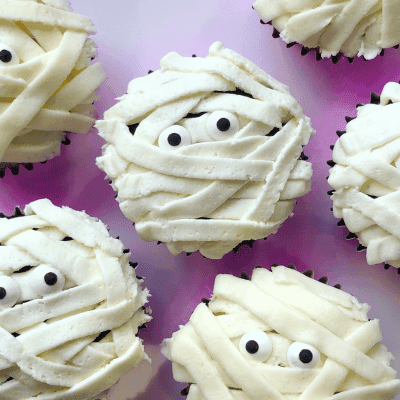
- Themed snacks – why not make some monster cupcakes or some delightfully frightful pizzas!
- Create your own trick or treat experience with a treasure hunt for treats around the house
Wrapping it up: a Halloween that works for you!
Halloween can be a lot of fun, but it’s important to remember that it’s okay if it doesn’t feel right for everyone! The key is to do what makes you or your child feel comfortable and safe. Halloween should be about enjoying yourself, no matter how you choose to celebrate—or not celebrate at all! 👻
About the author
Jen leads on developing and executing our overall marketing and brand strategy.
Since joining in September 2022, Jen has been instrumental in shaping the brand’s identity and ensuring that every initiative resonates deeply with its audience. In month 2 she took us on a full rebrand, including a new name from Dyslexia Box to neurobox.
With a wealth of experience in marketing, Jen has honed her skills across both in-house teams and corporate communications agencies. Her career journey has equipped her with a deep understanding of leveraging multiple channels and engaging effectively with diverse stakeholders.
Related readings
From Awareness to Impact: Embedding Neuroinclusion into Organisational Culture

