


In this blog, I share my story of the positive impact of a later in life ADHD diagnosis. I reflect on my unique challenges and strengths, share my thoughts on the concept of ‘bringing your whole self to work’ and finally, knowing what I now know, share a final word of advice for my younger self.
My journey to diagnosis
Prior to my diagnosis, I had a successful 20+ year career in the arts as a senior marketing professional. Despite the rewarding and inspiring nature of this work, by my 40’s I felt I needed something different from my career and in 2019, went back to university to study for a Masters in Coaching.
Training to become a coach is a deep self-learning experience. Before being able to coach others, you work to develop your own self-knowledge and self-awareness. Although I knew myself incredibly well, through this experience, I literally had no idea I had ADHD. What I find stranger still, is that I had even listened to a whole audiobook about ADHD, without once linking it to my own experience. Listening to the voices of more and more women on social media, talking about what it felt like to have ADHD as a woman, led to me becoming increasingly curious as what they were saying strongly resonated with me. I received an ADHD diagnosis in 2023, and it was both validating and life changing.
Post-diagnosis I see my life through a new lens. I now understand why some things have always felt challenging and why my previous career which had been fulfilling in my 20’s, had become exhausting and draining by my 40’s. I experienced a wide spectrum of emotions from real sadness (how might life have been different, easier if I’d known?), to feeling incredibly grateful that I do now know. The predominant feeling I have is of empowerment.
Empowerment because with this information comes the ability to open up new possibilities. I can make better decisions for my future, based on a more accurate appraisal of my strengths and challenges. I am connected to myself in a more positive way and have developed my self-compassion paying closer attention to my own needs. Being more aware of the things I find difficult, I am more likely to ask for help. I give myself permission to rest and relax. I know where I need to hold myself to account. Because of my diagnosis, I am more able than ever to design and create the life I want to live. I am a calmer and a ‘happier in my own skin’ version of me. I am grateful that a missing piece of a jigsaw puzzle I didn’t realise was missing, has been found and placed.
Coaching other neurodivergent people
Coaching a growing number of neurodivergent clients, helping them to value their unique strengths and supporting them to achieve their goals is both rewarding and inspiring. My lived experience enables me to feel like I really ‘see’ my neurodivergent clients. I am frequently amazed at their resourcefulness and find they commonly have incredible resilience, and strengths that often outweigh their challenges.
How does ADHD affect me, what are my challenges and my strengths?
I’ve had a ‘good’ career, but to achieve this, like many of my clients with an adult diagnosis, I’ve built up strategies over the years. I can relate to one of my clients who recently coined the phrase ‘wonderfully dis-organised’ to describe their ‘unique’ approach to being organised.
ADHD is infuriatingly, or beautifully inconsistent (take your pick!) I can go from being spectacularly effective one day, to being highly unproductive and unfocussed the next. Emotional dysregulation is a common trait and life can feel like a rollercoaster when it comes to emotions. This has a lot to do with Rejection Sensitive Dysphoria (RSD), which probably warrants its own blog post. RSD is an intense and overwhelming sense of unease at the thought of potential or actual rejection which can be both physically and mentally painful. I frequently have a sense of overwhelm and an inability to take everything in, when lots of information is shared at once. Being constantly on the go, having a very busy brain, feeling far too busy all the time, yet simultaneously always feeling behind and deficient in some way takes its toll on energy levels and frequently results in burnout.
Like many ADHDers I also experience:
- Difficulty prioritising
- A poor working memory
- Getting ‘lost in time’
- Having an interest-led nervous system which means I find ‘being bored’ almost painful
- Difficulty following instructions
- Fluctuating confidence/self esteem
- Anxiety & thinking loops
Anyone can experience these things, however living with ADHD means experiencing a great many of these to an extreme level affecting all aspects of life. ADHD is a lifelong condition. ADHD + menopause is another area which would justify a blog of its own, with menopause having a marked impact on ADHD symptoms, making them much more severe.
Despite the challenges, I know my strengths. I’m a naturally warm, caring and empathetic human. I place a high value on community. I genuinely see the best in people. I can be spontaneous and energetic. I seek out learning and development opportunities, pursuing positive change. I can be bold and brave. I can see possibilities where others see barriers. I am highly creative. I care deeply about equity and fairness, valuing and appreciating what makes us different.
What does ‘bringing your whole self to work’ mean to me?
If you have ADHD then you may well have some super strengths, but also challenges. Is it always achievable to bring your whole self to work? In an ideal world, absolutely, yes. But the answer is that it depends.
- On your workplace and where it is on its journey to understanding and supporting its ND workforce.
- On your manager / team. How much understanding / knowledge do they have and what kind of relationship do you have with them? Is there a good level of care, trust and rapport?
- On the culture of your organisation – is it one of openness, trust, curiosity and learning from mistakes, or one of covering your back and apportioning blame?
The aspiration is to find a role in which you can genuinely bring your whole self to work, using your unique strengths and being supported with those things you find more challenging. It is encouraging to see more employers getting to grips with how to best support their ND employees and to hear more conversations taking place. I feel fortunate to have found a profession that allows me to work with my strengths.
ADHD is, has always been and will always be part of who I am. I have discovered how to work with, instead of against myself and to more easily navigate the changing weather of my ADHD from regular storms to more prolonged periods of calm.
What advice would I give to a younger version of myself?
I popped in to say hello to several past versions of myself in reflecting on this question. In the absence of being able to travel back in time, hand my teenage self a piece of paper, saying – “You’re ok, you just have ADHD. Go find out about it and life will be much easier”, these are among the things I would tell myself:
“You’re not stupid.
Look after yourself, really look after yourself.
Resting and relaxing aren’t ‘nice to have’.
Do one thing at a time. No one can do everything, all at once.
Feelings are transient, emotions pass, and so will this.
You are absolutely enough, just as you are.”
Thank you neurobox, for an invitation to write and share my ADHD story. I hope it resonates with and helps someone else on their journey to understanding how to learn to love and value their ADHD brain.
About the author
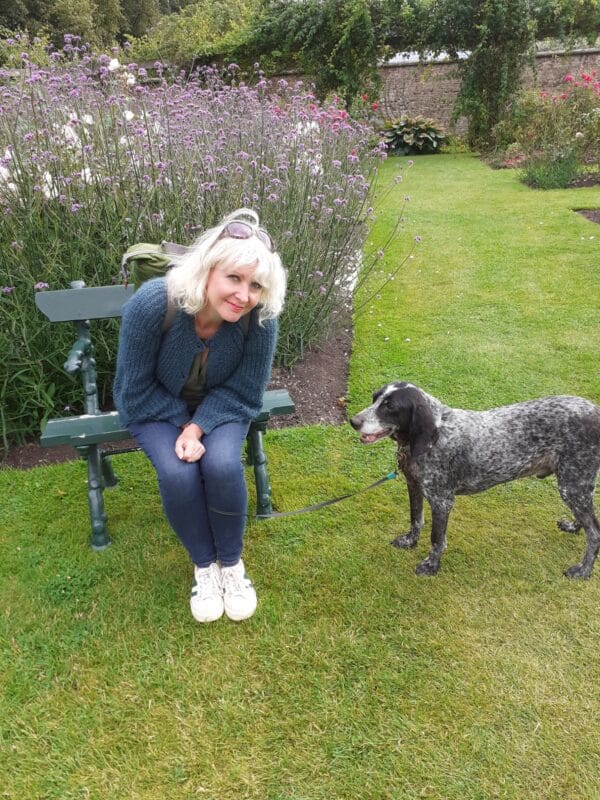
Nina Byrne, (Masters certified coach), is passionate about the difference coaching makes. She works with neurotypical and neurodivergent clients, supporting them on a unique journey of self-awareness and discovery. She works with her clients to create the right environment for positive change to occur, helping to set meaningful goals and working out the steps necessary to achieve them.
Nina’s own later in life ADHD diagnosis was the catalyst that inspired her specialist work in neurodiversity coaching to grow and develop, and she enjoys supporting her neurodivergent clients to both celebrate their unique strengths as well as to navigate their challenges.
Nina’s professional journey began in the arts & cultural sector where she spent many years in senior leadership, marketing roles. Her first degree was in Fine Art, and Nina brings a creative approach to coaching, seeing it as an opportunity to see the world differently, and inviting and empowering her clients to design the life they want for themselves. Nina is also a workplace coach and associate lecturer at Northumbria University.
Related readings

Employee Resource Groups: What They Are and Why They Matter

