


“Neurodiversity isn’t one thing, but many.”
To explore the theme for Neurodiversity Celebration Week 2024, we will look at one employee’s growing awareness of her needs as a dyslexic and autistic woman, and her experience in the workplace.
This is Mari’s story, and we will follow her journey from an engaged and loyal employee at Hart & Hart law firm to a dejected ex-employee.
If you prefer to watch Deborah talk through Mari’s journey please watch here.
Meet Mari
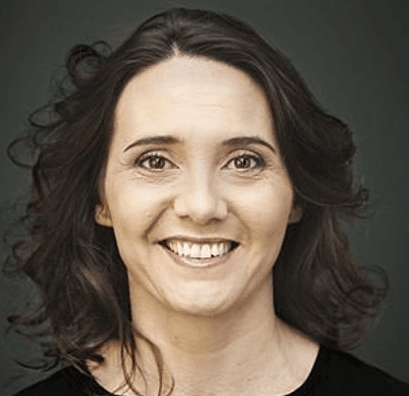 When we first met Mari, she had been working at the firm for 6 years and enjoyed her role. She loves the excitement of going to court and handling a caseload of clients. She relishes doing research for the partners, as well as interviewing clients and witnesses. She even enjoys preparing legal documents.
Mari is dyslexic and had her formal diagnosis at school. She’s developed effective compensatory strategies to manage her working memory and processing difficulties – a common experience for dyslexic adults. Her methods include post-it notes, reminders on her phone, and a colour-coded glossary to help her remember different legal terms and processes.
Mari has some existing adjustments in place, as agreed with her previous line manager: a screen reading device to speed up her reading and extra time to submit reports.
Mari is doing well and is promoted to team leader, managing a team of 15 people. She’s is given some e-learning training on line management.
3 months on…
 It’s been three months since her promotion, and she’s started to experience new challenges and finds that her existing strategies aren’t working.
It’s this promotion, a change in circumstances, that is a trigger for Mari. (Triggers can come in various forms for different people in different circumstances. Examples could be extra duties, a new line manager, a different team, or returning from a break from work).
Mari finds managing team members challenging, dealing with problems, absorbing their emotions, and keeping up with the paperwork. She feels mentally and emotionally exhausted. It’s impacting her sleep, language, and memory functioning. In other words, she’s finding it difficult to express herself verbally, find words, and keep up in conversations.
About this time, Mari watches a TV documentary on autism, and she recognises some of the traits and experiences described by some of the women. She has a ‘light bulb’ moment. Mari starts to do her research and becomes confident that she is autistic.
Mari goes to her GP and is placed on an NHS waiting list – it could be anything up to 2 years. The GP tells her, “Increased media exposure is in part driving increases in these diagnostic requests.”
Now, Mari, like many of us, had always thought that dyslexia and autism were opposite to each other. Dyslexia has been characterised as big-picture thinking, and autism as fine detail processing.
However, through research, Mari learns that our understanding of dyslexia and autism concurrence is in its infancy [i] .
Back to Mari…
Mari contemplates not disclosing because she doesn’t want to be stigmatised and labelled. However, her previous line manager was supportive of her dyslexia support journey, and on the company website there are case studies of other autistic employees
So, Mari decides to tell her line manager about the challenges she’s having, and that she suspects she is autistic. The line manager responds …“I need proof, I can’t do anything without diagnostic evidence”.
 Mari reflects “I feel like I have to prove it. Prove that you’re disabled because I don’t look autistic. I don’t look disabled”.
She doesn’t know what to do and where to go next.
Is the line manager right?
She doesn’t know but feels so disempowered by the encounter she doesn’t have the energy to challenge it.
Without adequate adjustments, her work becomes unmanageable, and she becomes unreliable, cancelling meetings with her team and not completing paperwork. Her team feels unsupported. As a result, she is put on a capability review.
Mari leaves the organisation before her review meeting, citing stress and anxiety. She hasn’t returned to the workplace. She believes herself incapable of managing people and dealing with pressurised environments and corporate demands.
Can we rewind? Start Mari‘s story again? What would you do differently if you had 5 minutes to re-tell this story?
How can we support you?
We’re a leading workplace adjustments provider based in the UK, dedicated to fostering inclusive and accessible work environments for disabled and neurodivergent individuals.
To find out about the support we can provide, please get in touch with the team.
References:
[I] This is because most studies have focused on individual traits in isolation. There are only a few studies on cooccurring dyslexic and autistic populations, with estimates of rates between 6-39% of dyslexic people also experiencing autistic traits. There‘s also been a shift in diagnostic criteria. We now know that historically, research skewed towards male populations may have missed out on specific characteristics)
About the author

Dr. Deborah Leveroy is Neurodiversity and Inclusion Lead at neurobox. She works with organisations to advance neuro-inclusion strategy and practice. Deborah has a PhD in Dyslexia, inclusion and performer training from the University of Kent.
Her research is published by Routledge in peer-reviewed journals and edited collections. Current research interests include Neuroinclusive return to work practices and remote working. Previous roles include Disability Advisor for Remploy’s BBC workplace adjustment contract, Strategy Coach and Workplace Needs Assessor for PAM occupational health and Study Skills Tutor for several DSA providers.
Related readings


Our Coaching Principles – Coaching That Meets You Where You Are
