


As part of our Neurodiversity Celebration Week we’re shining a spotlight on the diverse voices within our community. Hear from different voices as they share their proudest moments, exchange tips and tricks for the workplace and discuss their strengths and challenges!
Introducing…
Hi I’m Mark Woodward
I believe myself to be dyslexic but, like many people of my age, do not have a formal diagnosis.
There are many reasons for this, but in a nutshell, the possibility of my being neurodiverse simply wasn’t something that was offered through my education or in my early career, and by the time I began to learn about neurodiversity (which was when my dad was diagnosed with dyslexia and dyspraxia in his late 50s while studying to be a counsellor) I found myself in a career that I was able to flourish in, and the costs of a formal diagnosis at that point outweighed the benefits.

What are your strengths and challenges?
Talking about strengths and challenges is difficult, as it is for most people.
Many of the things I would describe as a difficulty are often things that others may describe as a strength.
For example, the ability to imagine concepts and ideas and process them in a visual way means I often get to “see” details that it may take others a little longer to get to.
However, this also means I quickly become overwhelmed with stuff to think about, which often leads to inaction and procrastination.
What are your top tips or tricks for the workplace?
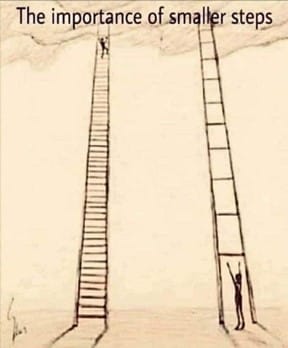
One of the best pieces of advice I have ever been given, apart from “if a mob of clowns attacks you, always go for the juggler”, is to “chunk things down”. If a task or project seems overwhelming or too large, you probably haven’t broken it down into small enough steps…
How would you encourage others to find their voice in the workplace?
It’s difficult to find your voice when you feel alone. This can particularly be the case in the workplace. However, the chances of you being the only neurodifferent person in your organisation are statistically pretty slim!
If your company has an Employee Resource Group for neurodiversity or inclusivity, joining that is a great way to gain confidence and be proactive, and if your organisation doesn’t have employee groups perhaps talk to your HR department about starting one..
Related readings

Employee Resource Groups: What They Are and Why They Matter

