


Visual Impairment in the Workplace
Employees with Visual Impairments have the talent and drive to excel just like every other employee —what’s often needed is access to the right tools, informed support, and meaningful accommodations. When organisations provide this support, they unlock employees who can truly thrive across teams and projects.
What are Visual Impairments?
Visual Impairments can present itself in various forms. The term refers to people who experience either partial sight loss or complete loss of sight.
Employees who have a visual impairment may interact in an alternative manner within the workplace due to their needs.
How can visual impairments affect employees in the workplace?
Employees with visual impairments can experience various challenges within the workplace, ranging from visual fatigue from office lighting to navigation difficulties.
Visual impairments vary widely, and employees may be affected in different ways depending on their level of vision and how they navigate the world. Each person contributes unique strengths, preferred ways of accessing information, and individualized support needs.
Common Visual Impairment Traits
Those who are visually impaired may have certain traits, although it is important to note that everyone has their own unique experience. Below we will list some common traits amongst those with visual impairments:
Difficulty with navigation
Increased chance of tripping or bumping into objects

Visual sensitivity
Increased chance of headaches and discomfort dependant on lighting

Heightened Resilience
Use of different, creative methods to accomplish tasks

Increased Focus
Ability to hyperfocus on tasks with visual support

Difficulties with Non-verbal communication
Such as email communications, written reports, and visual presentations

Supporting Visual Impairments in the Workplace
Under the Equality Act 2010, visual impairments are recognised as a disability. This means employers have a legal responsibility to make reasonable adjustments, ensuring that individuals who are visually impairment are not disadvantaged at work.
It is important to note that an employee does not require a formal diagnosis for adjustments to be made.
 Altering the Physical Work Environment
Providing Additional Support or Aids
Adjusting Policies and Procedures

Organising Visual Impairment Inclusion or Visual Impairment Awareness Training in the Workplace
Here at neurobox we strive to help workplaces become more inclusive for disabled and neurodivergent individuals, offering our tailored training and coaching services.
Services we offer include:
-
Workplace Strategy Co-Coaching
Our Workplace Co-Coaching has been designed to allow employee and manager to raise awareness of workplace barriers together and support each other on the journey – Learn more here
-
Disability Awareness Training for Employees
These group sessions have been developed to raise awareness and understanding within a team setting. Our trainers will support staff members with becoming more aware of their disabled colleagues needs, allowing them to work more effectively as a team – Learn more here
-
Disability Awareness Training for Managers
We offer a tailored awareness training session for managers, perfect for those looking to support their employees thrive in an inclusive workplace – Learn more here
Reasonable Adjustments for Visual Impairment in the Workplace
Creating a disability inclusive workplace starts with understanding, flexibility, and proactive support. Every individual is different, so a tailored approach is key.
A Workplace Needs Assessment is a great first step. It identifies individual challenges and offers practical, achievable adjustments for both employee and their organisation.
Examples of reasonable adjustments for visual impairments in the workplace
| Area of Interest | Potential Adjustment(s) |
|---|---|
Work environment |
|
Assistive Technology |
|
Training |
|
Workplace Strategy Coaching |
|
Working practices |
|
Coping with Visual Impairment at Work - Techniques & Strategies
Check out just a few practical ways individuals who are visually impaired might manage their workload and environment effectively:
-

1. Use of Assistive Technology
Use of visual aids on digital devices, such as ZoomText Magnifier to assist with reading digital documents or emails.
-

2. Proactive Planning
Ensuring they have a fixed workspace, this can reduce navigation challenges or disorientation.
-

3. Hybrid Work Schedules
Hybrid or flexible hours can help with challenges surrounding commuting to work or coping with visual stress
Our Latest Visual Impairment Resources
Explore our latest blogs and guides on Visual Impairments in the workplace.
Looking for Support? Contact us today
Every organisation is unique, and so are it’s people – that’s why we can tailor our sessions to your organisation.
Get in touch with the team
Our journey begins with a conversation – get in touch with Martin, Becky, Chris or Conal to find out more about how we can help and support you on your inclusion journey.
 01223 608491

Becky Stearn
Senior Client Consultant

Chris Pope
Client Consultant

Conal Durr
Client Consultant

Martin Kirkup
Head of Client Services
Tailored Strategies by Industry Experts
Drop us a message
"*" indicates required fields
Frequently Asked Questions about Visual Impairments in the Workplace
Got questions? We’ve got answers. Can’t find what you need, get in touch with the team on hello@neurobox.co.uk
-
Is Visual Impairment a disability in the UK?
Yes, under the Equality Act 2010 visual impairments are classified as a disability.
-
What are examples of visual impairments?
Visual impairments refer to a wide spectrum of vision loss but can present itself in ways such as:
- Blurred vision
- Tunnel vision
- Complete loss of sight
- and more

Access to Work for Visual Impairments
Access to Work is a government-funded programme that provides practical and financial support to help disabled and neurodivergent people — including those with visual impairments — start, stay, and thrive in work.
Disability Confident Scheme - Visual Impairments
The Disability Confident Employer Scheme (a government scheme) provides organisations with the structure and process to implement inclusive recruitment practices, workplace adjustments, and manager training and create an inclusive culture for all.

What is the Disability Confident Scheme?
The scheme has 3 levels designed to support employers on their Disability Confident journey, these are: Disability Confident Committed (Level 1); Disability Confident Employer (Level 2) & Disability Confident Leader (Level 3).
All employers join the scheme at Disability Confident Committed (Level 1) and progress through the levels to achieve the one that’s right for their organisation. On completion of levels, you receive Disability Confident Certification.
As a Disability Confident Leader, we’re uniquely placed to guide organisations through the accreditation process from Levels 1 to 3. We can conduct a gap analysis, provide targeted recommendations, and support the implementation process.

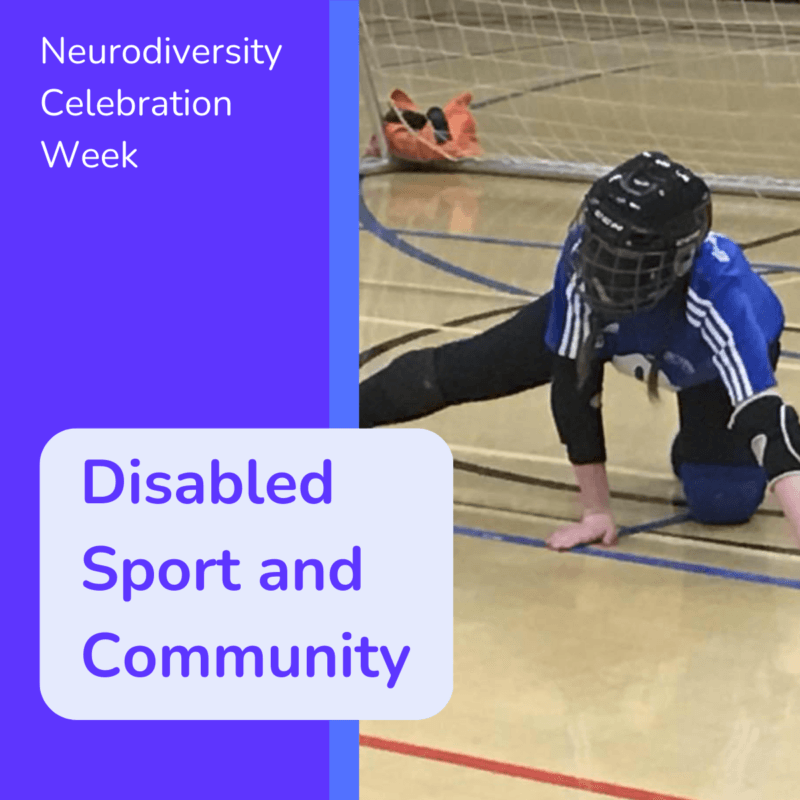
Disabled Sport and Community: My Way of Accepting my Disability
Sports can provide a huge positive for all. It can play to the strengths of so many neurodifferences but most importantly it can provide a safe space to grow in confidence. Emily shares with us how Goalball gave her a sense of belonging…but also became much more than that...
Read more
The uncharted territory of grief and sight loss
For those entering into it, grief is a journey into uncharted territory– a spectrum of emotions which can be overwhelming, confusing and at times extremely unpredictable. We tend to think about grief as the feelings you have after the death of a loved one. Yet grief can occur when...
Read more
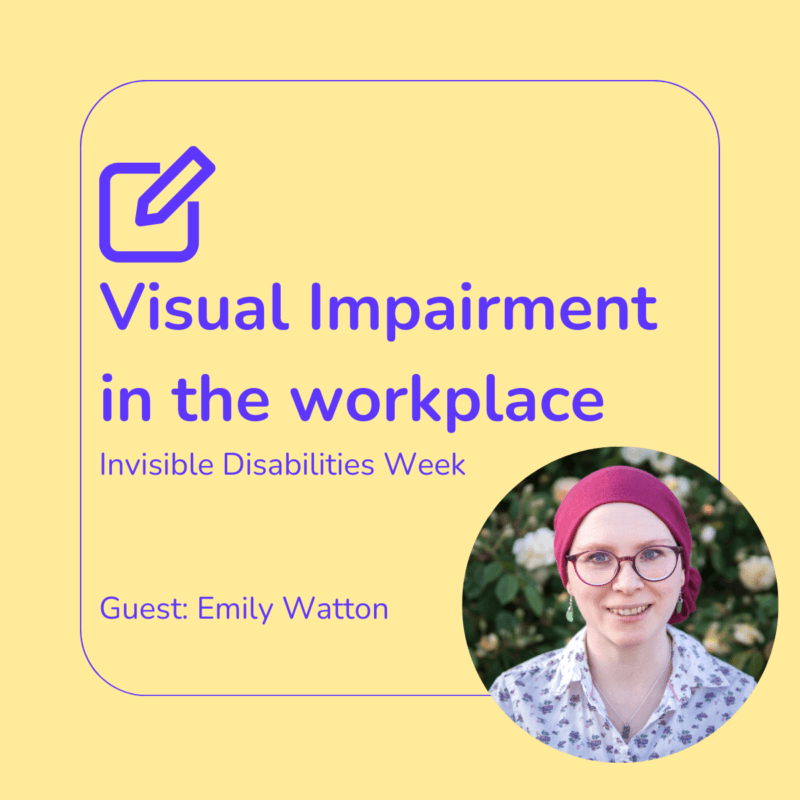
Visual impairment in the workplace
“Saying that I have a severe visual impairment and an attention to detail may sound like an oxymoron to some.”
Read more
OrCam Read – Transform the Way You Read!
Read more

OrCam Read Webinar Recording
Thank you to everyone who attended this morning's webinar on the new OrCam Read.
Read more